

Does Freezing Fat Cells in the Abdomen Reduce Insulin Resistance?
Exploring the connection between cryolipolysis treatments for abdominal fat and the body's insulin sensitivity. Discover what current understanding suggests.
Understanding Insulin Resistance
Before we dive into how fat reduction might play a role, let's briefly discuss insulin resistance. Insulin is a hormone that helps your body use glucose (sugar) for energy. Insulin resistance occurs when your body's cells don't respond well to insulin, meaning glucose builds up in your bloodstream instead of being absorbed by the cells. Over time, high blood sugar can lead to prediabetes and eventually Type 2 diabetes.
Various factors contribute to insulin resistance, including genetics, a sedentary lifestyle, and diet. However, one significant factor is excess body fat, particularly visceral fat—the fat stored deep within the abdominal cavity, surrounding your organs. This type of fat is metabolically active and can release substances that interfere with insulin signaling.
Cryolipolysis and Abdominal Fat
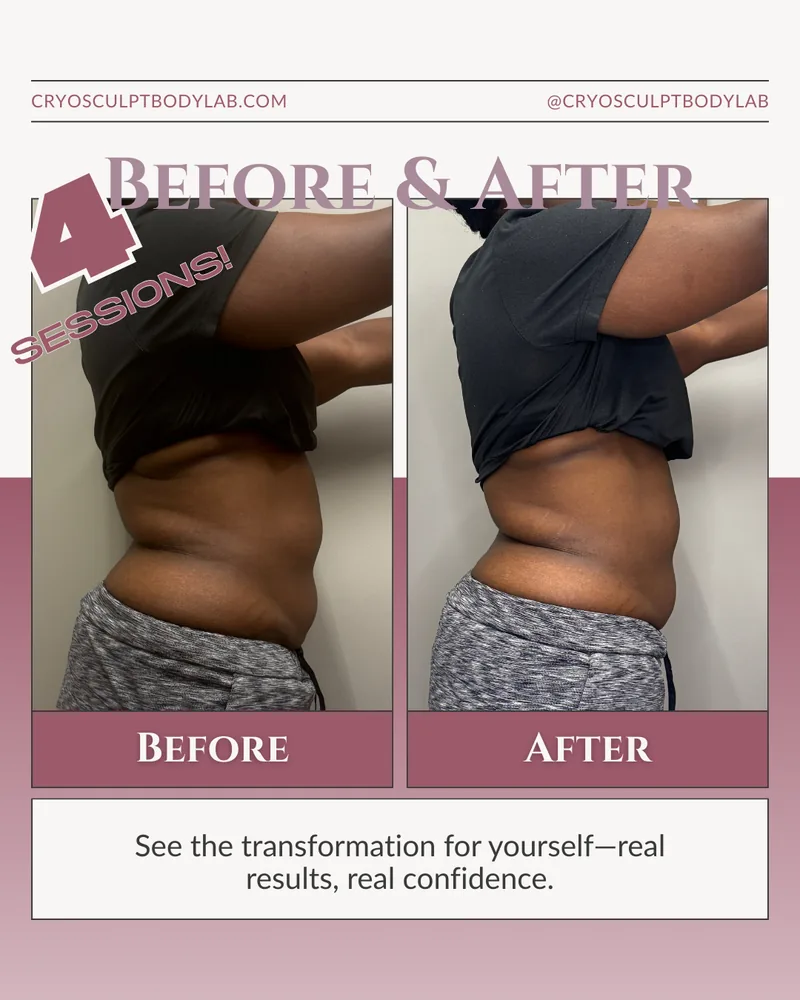
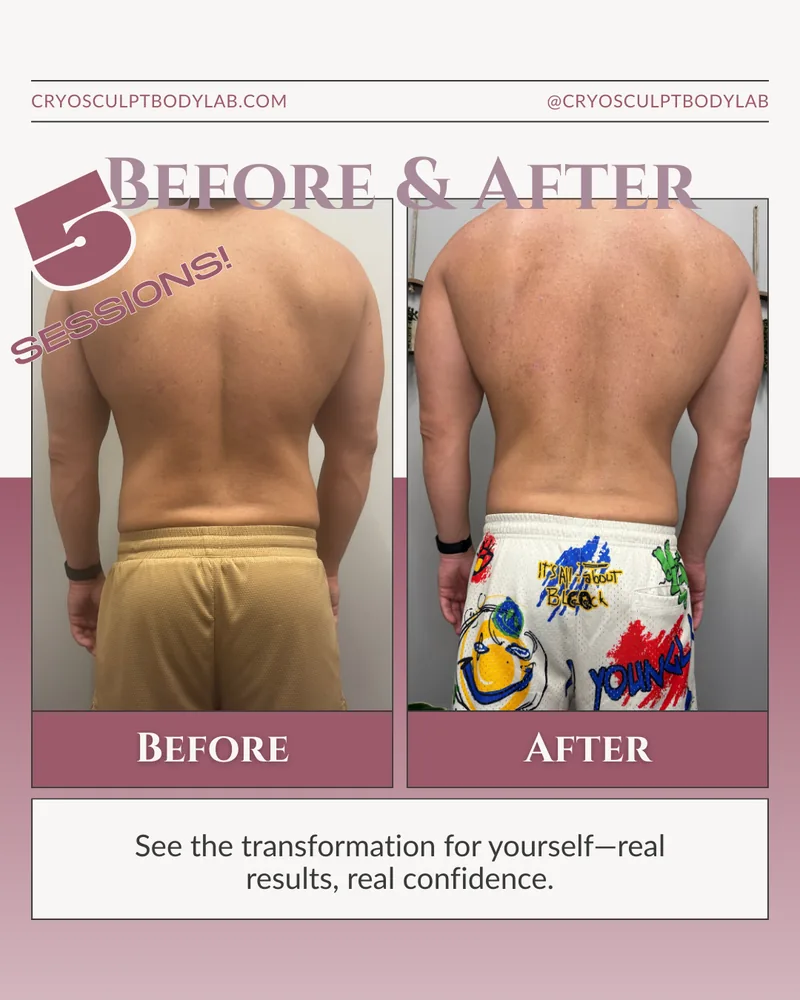
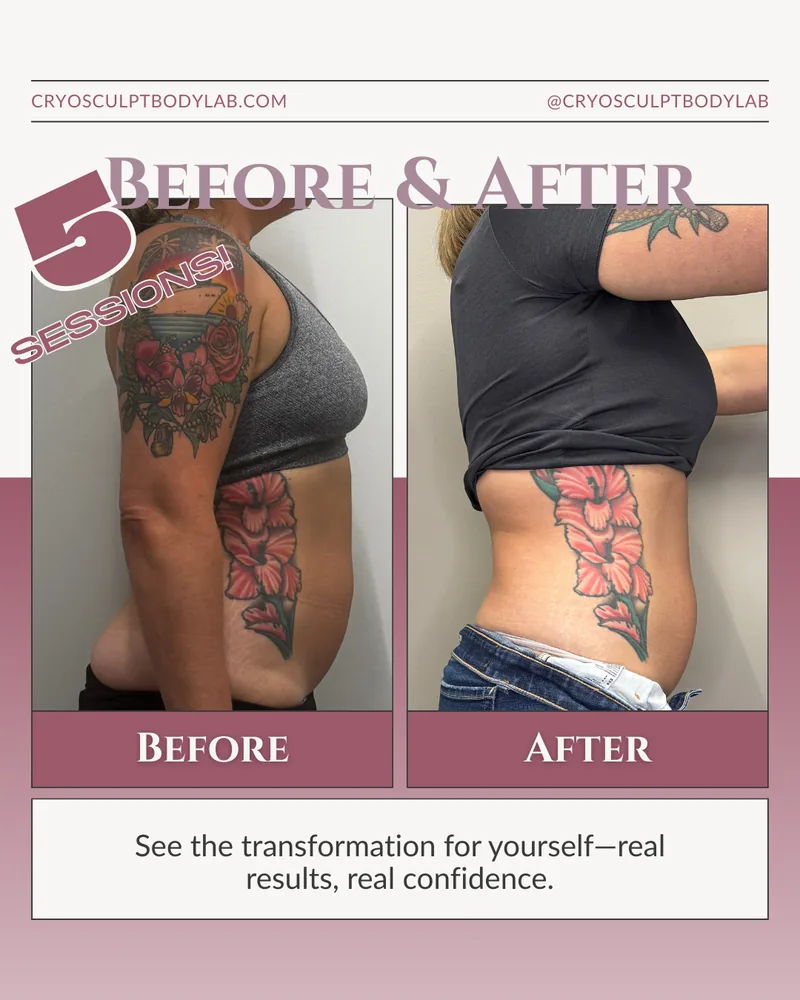
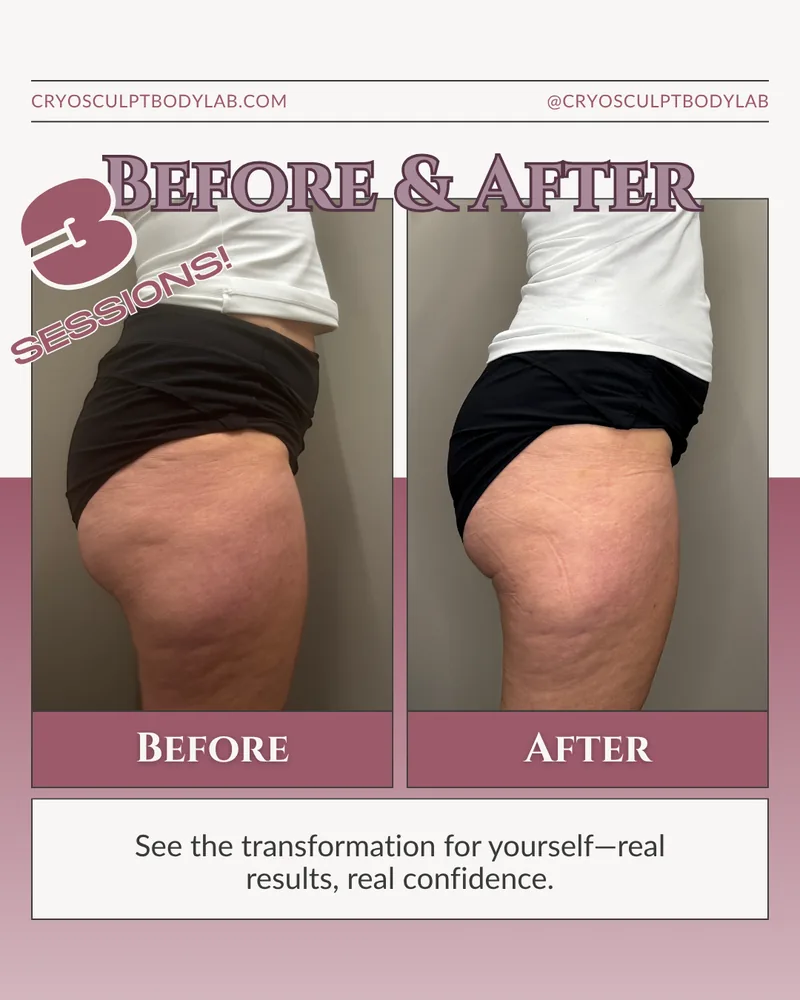
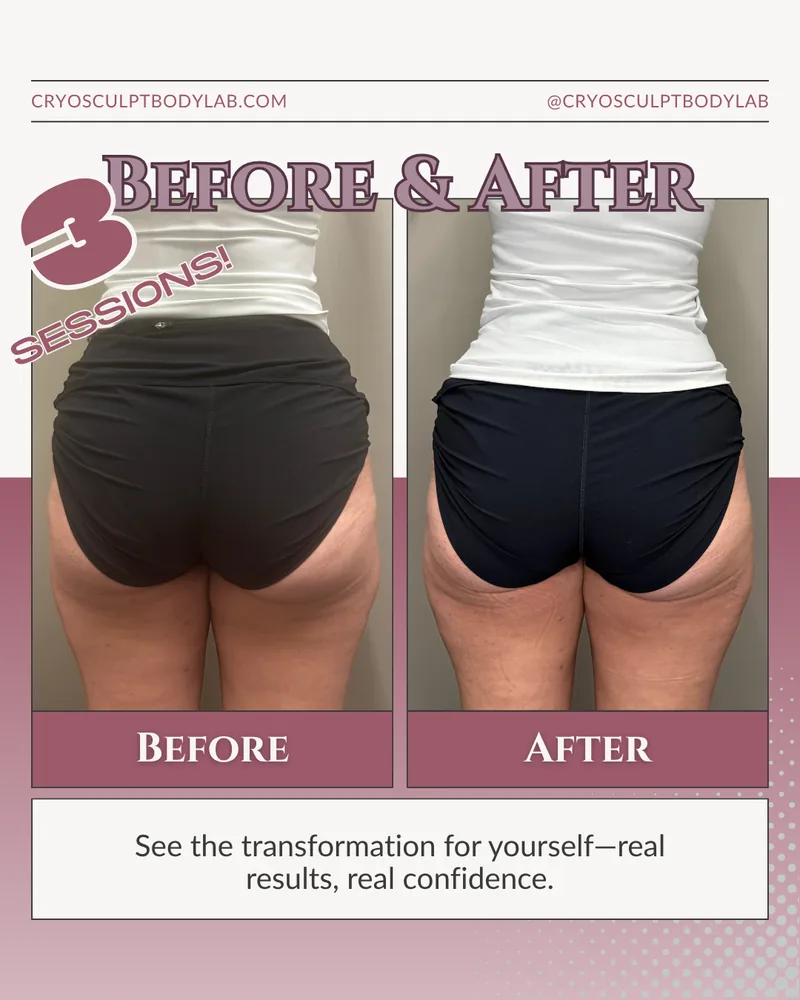
Cryolipolysis is a non-invasive body contouring procedure that targets and reduces localized fat deposits. At CryoSculpt Body Lab, our advanced device uses controlled cooling to freeze and destroy fat cells in specific areas, including the abdomen. These treated fat cells are then naturally processed and eliminated by the body over several weeks.
It's important to differentiate between subcutaneous fat (the pinchable fat just under your skin) and visceral fat. Cryolipolysis primarily targets subcutaneous fat. While it can significantly reduce the appearance of love handles or belly fat, it is not designed to directly address the deeper visceral fat that is more strongly linked to metabolic health issues like insulin resistance.
The Connection: Can Reducing Subcutaneous Fat Help?
So, if cryolipolysis reduces subcutaneous fat, can it indirectly impact insulin resistance? The answer is nuanced.
While cryolipolysis is not a treatment for insulin resistance or diabetes, and it doesn't directly remove visceral fat, reducing overall body fat can have systemic benefits. For individuals who are overweight or obese, losing any type of fat can contribute to improved metabolic health. Some research suggests that a significant reduction in subcutaneous fat can lead to modest improvements in metabolic markers, though the direct impact on insulin resistance specifically from cryolipolysis alone is not as strong or consistent as the effects seen from comprehensive weight loss through diet and exercise.
Crucially, cryolipolysis is a body contouring procedure, not a weight loss solution or a medical treatment for metabolic disorders. Its primary purpose is to sculpt and refine areas of stubborn fat that resist diet and exercise.
What This Means for You
If you're considering a cryolipolysis treatment at CryoSculpt Body Lab for abdominal fat, understand what it can and cannot do. It can help you achieve a more contoured midsection by reducing subcutaneous fat. If your goal is to improve insulin sensitivity or address metabolic health concerns, the most effective strategies involve a holistic approach: a balanced diet, regular physical activity, and consultation with your healthcare provider.
CryoSculpt Body Lab focuses on helping you look and feel your best through targeted fat reduction. While feeling more confident in your body can be motivating for healthier lifestyle choices, it's essential to have realistic expectations regarding the procedure's impact on complex metabolic conditions like insulin resistance. Our team is here to discuss if cryolipolysis is the right fit for your body contouring goals.
Next step
Book a free 20-minute consultation
We'll look at your areas, answer your questions, and tell you honestly whether CryoLipo is the right tool for your goals.