

Does Ozempic Get Rid of Belly Fat? Honest Answers About GLP-1 and Stubborn Fat
Ozempic and other GLP-1 medications cause weight loss across your whole body — including belly fat — but they don't spot-reduce. Here's what GLP-1 actually does, and why a pocket can still remain.
Answer in brief: Ozempic does reduce belly fat — but only as part of overall body weight loss. It doesn't target belly fat specifically, and many people still see a lower-belly pouch or flank pocket after major weight loss. That leftover fat is local, genetic, and resistant to diet — and it's the exact problem non-invasive contouring like CryoLipo is built to address.

What Ozempic (and Wegovy, Mounjaro, Zepbound) actually do
These medications are GLP-1 receptor agonists. They slow gastric emptying, blunt appetite, and stabilize blood sugar. The result for most people is meaningful weight loss over months — but that loss happens across the entire body. Your body decides where fat comes off and in what order; the medication just reduces the total.
Which means: GLP-1 does not "target belly fat." It reduces fat everywhere, and belly fat usually comes along for the ride. For some people, the belly is the first to shrink. For many others — especially women over 35, post-menopausal women, and anyone with a history of pregnancy or rapid weight cycling — the lower belly is the last zone to respond, and sometimes never fully responds.
Does Ozempic burn belly fat? Does it melt belly fat?
No — neither word is accurate. There's no "burning" or "melting" happening from the drug. GLP-1s create a calorie deficit by reducing how much you eat. Your body then uses stored fat for energy, and over weeks and months, fat tissue shrinks. The mechanism is metabolic, not localized.
This is why two people on identical Ozempic doses can lose the same total weight but look completely different — one ends up with a flat stomach, the other still has a small pouch they can't explain. It's not about the dose. It's about where their body stores stubborn fat.
Why a lower-belly pouch can remain
The lower belly (the soft pocket below the navel) is one of the most genetically stubborn fat-storage zones for women, alongside flanks, inner thighs, and the back/bra line. These areas often resist:
- Caloric deficits
- Cardio and strength training
- Even significant overall weight loss from GLP-1s
That's biology, not failure. It's also why surgical procedures like liposuction exist — there was a real problem to solve, just usually a more aggressive solution than people want.
What actually works on stubborn post-GLP-1 fat
A few options, in order of invasiveness:
1. Patience and continued routine. Sometimes the area does eventually catch up with enough time, strength training, and protein-forward nutrition. Worth waiting on if you're still actively losing.
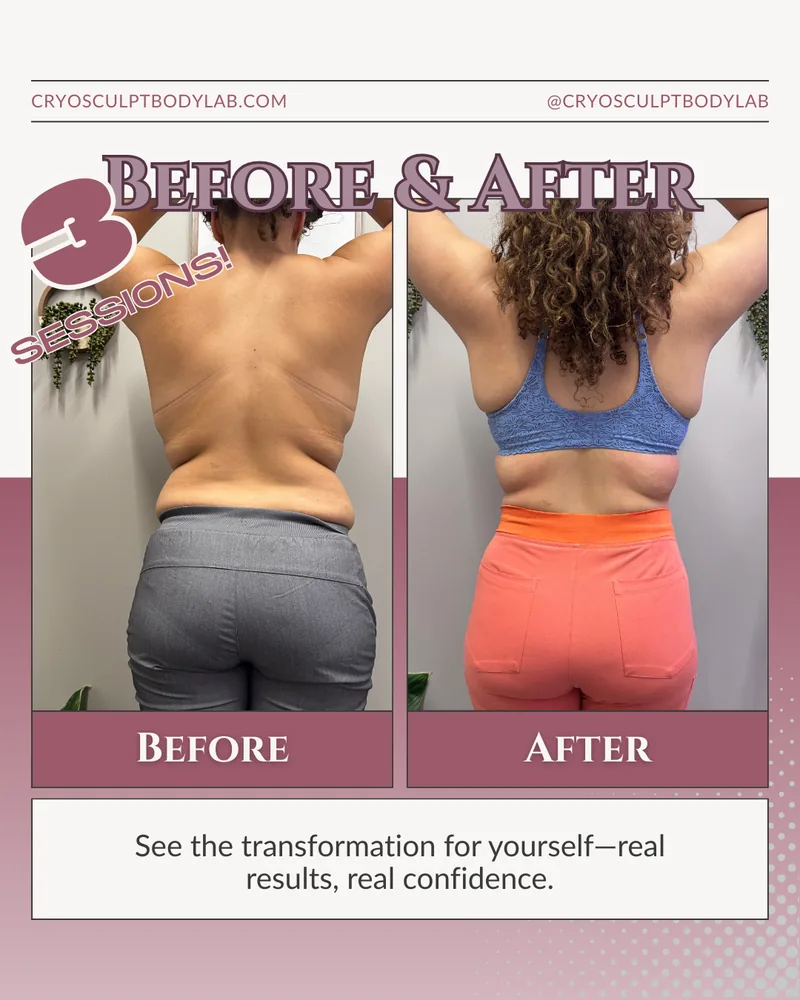
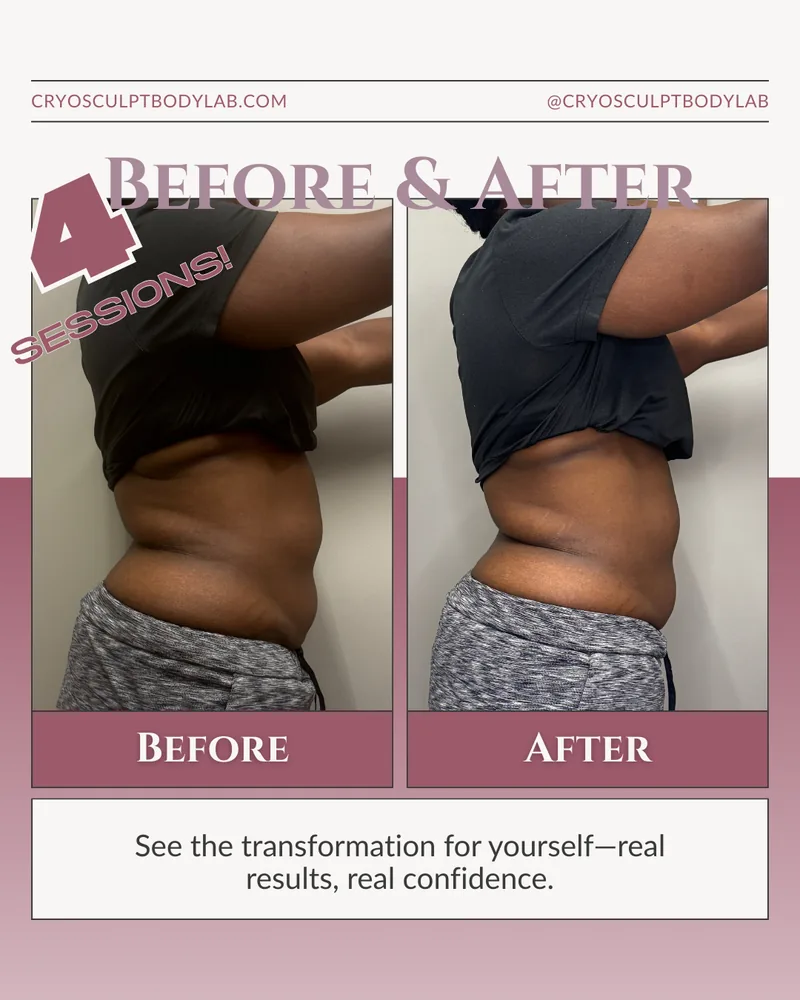
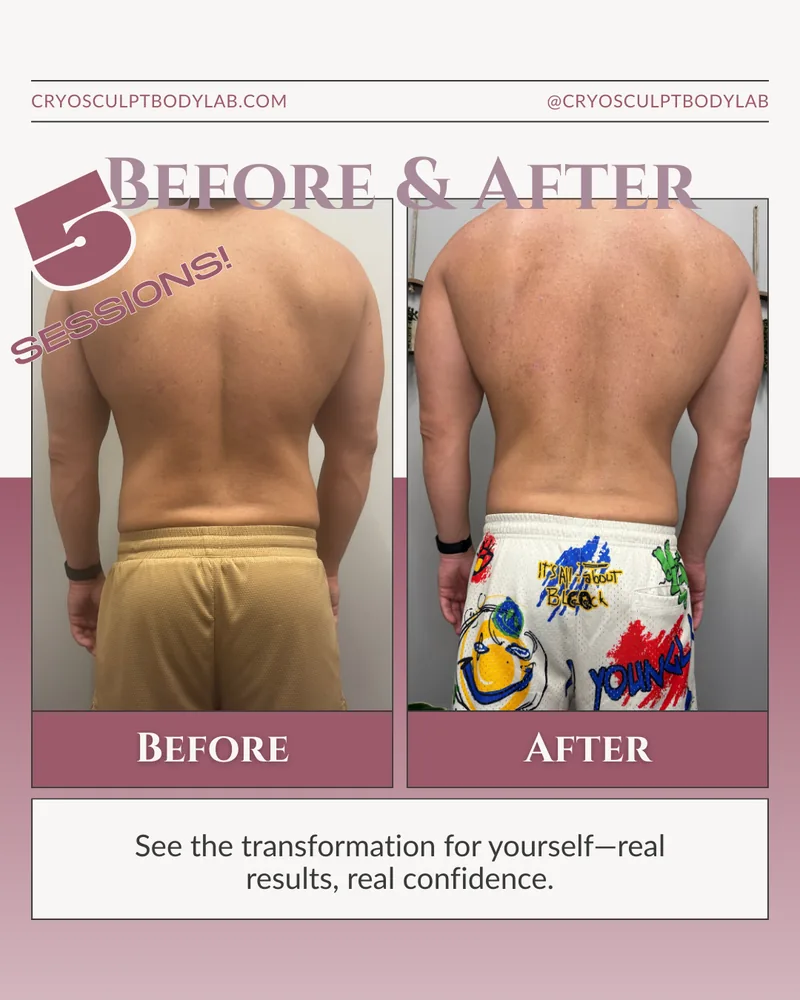
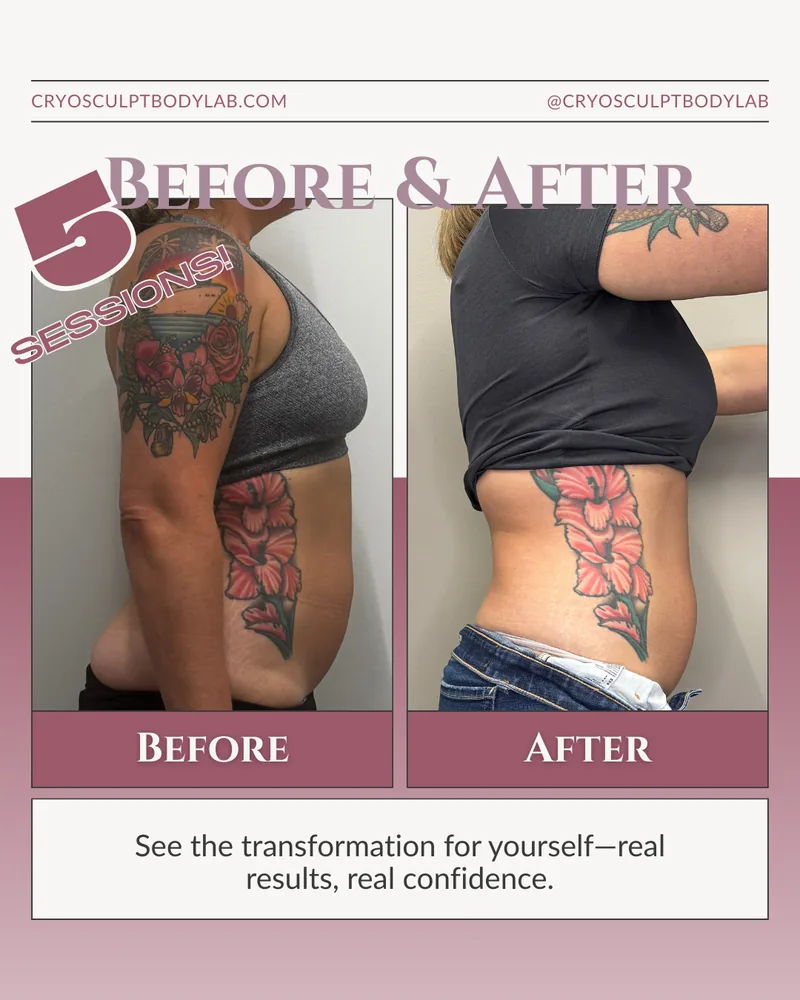
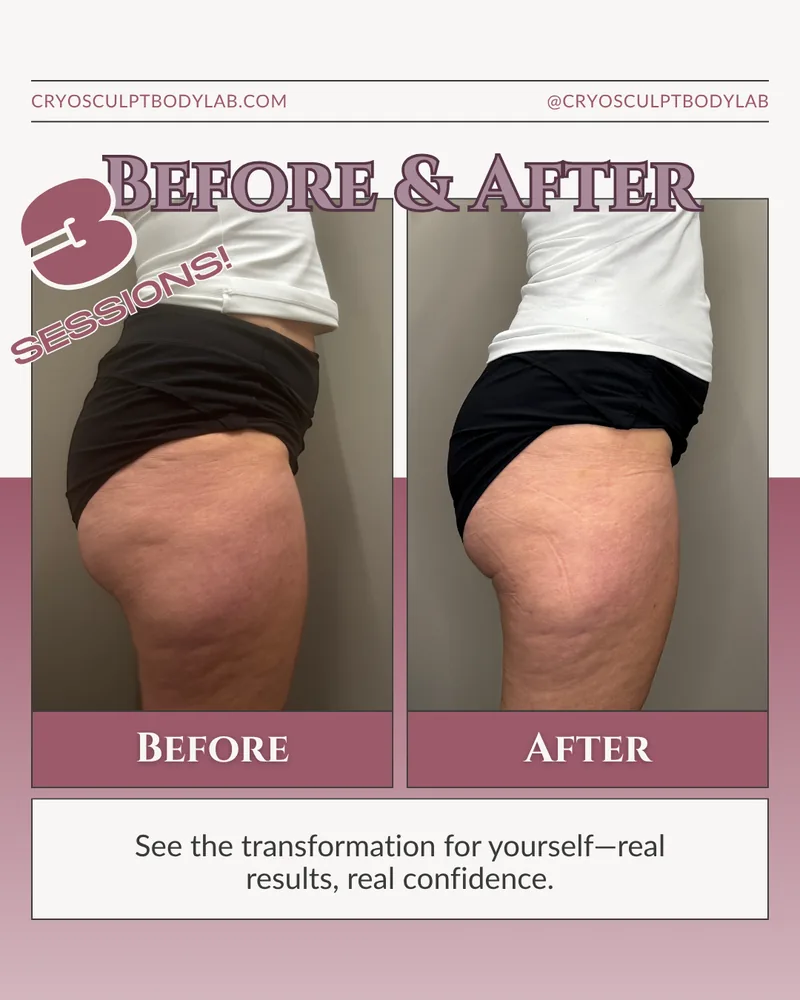
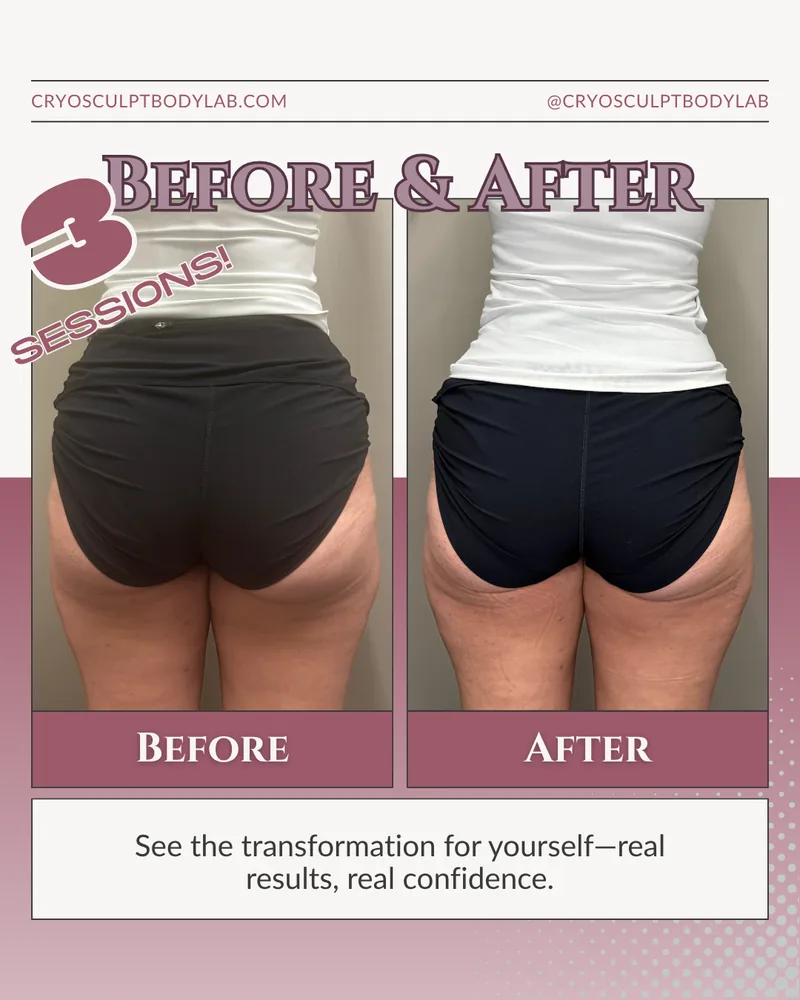
2. Non-invasive contouring (CryoLipo). Controlled cooling paired with EMS toning targets a specific fat pocket and lets the body clear those fat cells over 8–12 weeks. No surgery, no downtime, no needles. This is what CryoSculpt Body Lab does — and it's the natural finishing step for a body that's already done most of the work on GLP-1.
3. Surgical liposuction. More aggressive, has recovery time and risk, but removes more fat in one session. Best for larger volumes or skin-removal cases.
When to add CryoLipo to a GLP-1 plan
We generally recommend waiting until your weight is reasonably stable. If you're still actively losing significant weight each month, the area we contour today will keep changing under you. Once you've settled into a maintenance pattern (or are coming off the medication), CryoLipo can shape the zones that didn't cooperate.
Ready to look at your specific area?
A consultation takes about 20 minutes. We'll look at the area honestly and tell you whether it's a fat pocket CryoLipo can help with, a skin concern that needs something else, or something to revisit in a few months.
Next step
Book a free 20-minute consultation
We'll look at your areas, answer your questions, and tell you honestly whether CryoLipo is the right tool for your goals.